" We Are Dealing Only In Bulk Quantity "

Call us
08037735111
Call us
08037735111
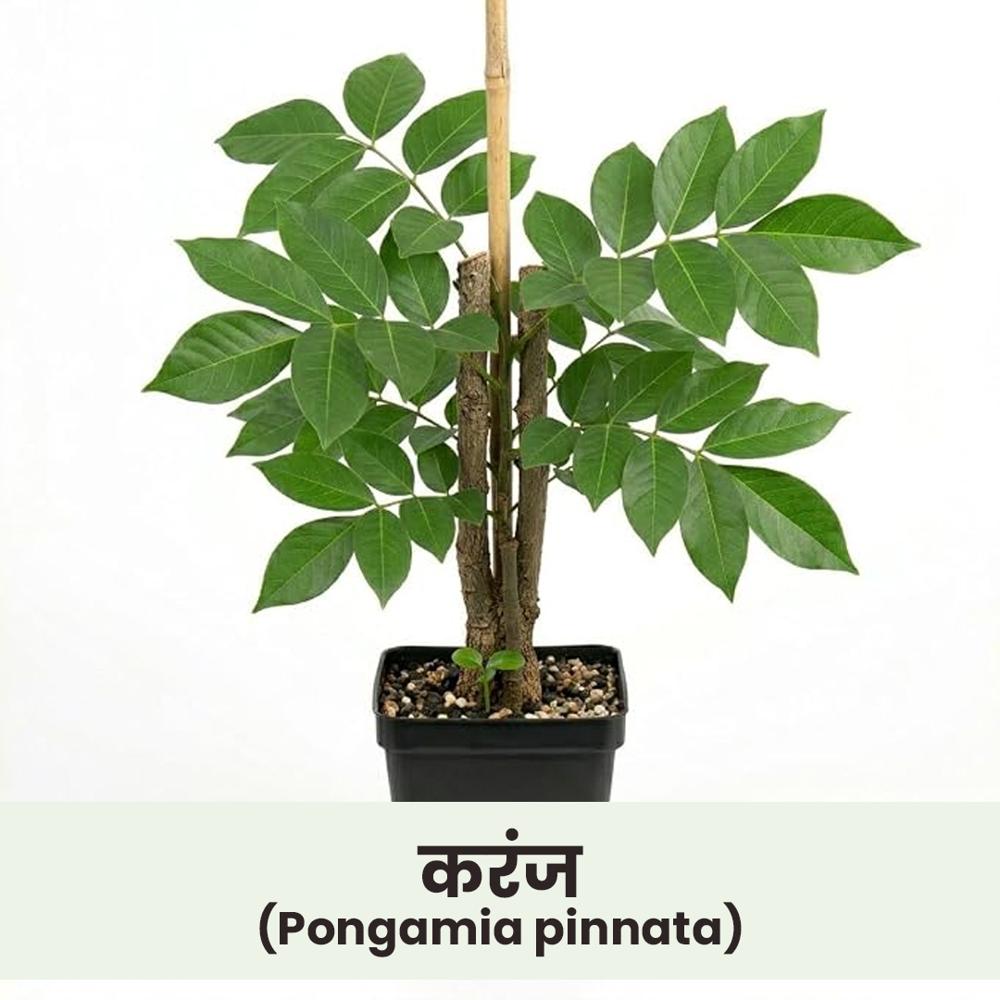
Pongamia pinnata, commonly known as Karanja, Indian Beech, or Pongam Tree, is a traditionally valued medicinal tree belonging to the Fabaceae family. It is widely recognized in Ayurveda and traditional herbal practices and is processed as a botanical raw material for use in Ayurvedic formulations, herbal products, traditional wellness preparations, cosmetic products, personal-care products, herbal oils, and botanical applications.
We offer quality Pongamia pinnata suitable for B2B buyers, Ayurvedic manufacturers, herbal product manufacturers, cosmetic manufacturers, botanical ingredient suppliers, wholesalers, exporters, and private-label businesses. The raw material can be supplied in different forms and specifications according to buyer requirements.
Pongamia pinnata, commonly known as Karanja, is a medium-sized tree native to the Indian subcontinent and widely distributed in tropical and subtropical regions. It has a long history of use in traditional Ayurvedic practices. The seeds, seed oil, bark, leaves, and roots are utilized in different traditional and botanical applications. Karanja seeds are naturally rich in fixed oils and other plant constituents.
Karanja plant material is collected from suitable mature trees and carefully cleaned to remove dirt and foreign matter. Mature seeds are separated from the pods and dried appropriately before further processing. Depending on the intended application, the material may be supplied as dried seeds, seed powder, leaves, bark, seed oil, or processed botanical extract according to buyer requirements.
Pongamia pinnata is utilized in Ayurvedic formulations, herbal preparations, cosmetic products, skincare products, hair-care products, herbal oils, personal-care products, and botanical applications. Traditionally, Karanja is valued for its association with skin and scalp wellness and is commonly incorporated into topical herbal preparations and traditional oils.
Karanja seed oil is also used in various industrial, cosmetic, and botanical applications, subject to appropriate quality and regulatory specifications.
A: Karanja is available in forms such as dried seeds, seed powder, leaves, bark, seed oil, and botanical extracts. Its intended use depends on the specific formulation and application. For internal use, appropriate dosage and safety assessment should be determined by a qualified professional.
A: Pongamia pinnata is traditionally valued particularly for skin and scalp wellness and is used in various Ayurvedic and traditional topical preparations.
A: The seeds and seed oil are important commercially utilized materials, while leaves, bark, and roots are also used in selected traditional preparations.
A: Karanja seeds are generally collected when the pods have reached suitable maturity and dried adequately on the plant or after harvesting. The exact harvesting period varies according to geographical region, climate, tree maturity, and cultivation practices.
A: Yes. Karanja is commonly used as a botanical raw material in Ayurvedic products, herbal formulations, cosmetic products, skincare preparations, hair-care products, herbal oils, and personal-care formulations, subject to applicable quality, safety, and regulatory requirements.
A: Store dried Karanja seeds, leaves, bark, and other dry raw materials in a cool, dry, and well-ventilated place, protected from direct sunlight, excessive heat, and moisture. Keep the material in clean, tightly sealed packaging to help maintain its botanical quality and shelf life.

Price:

 Send Inquiry