Product Description
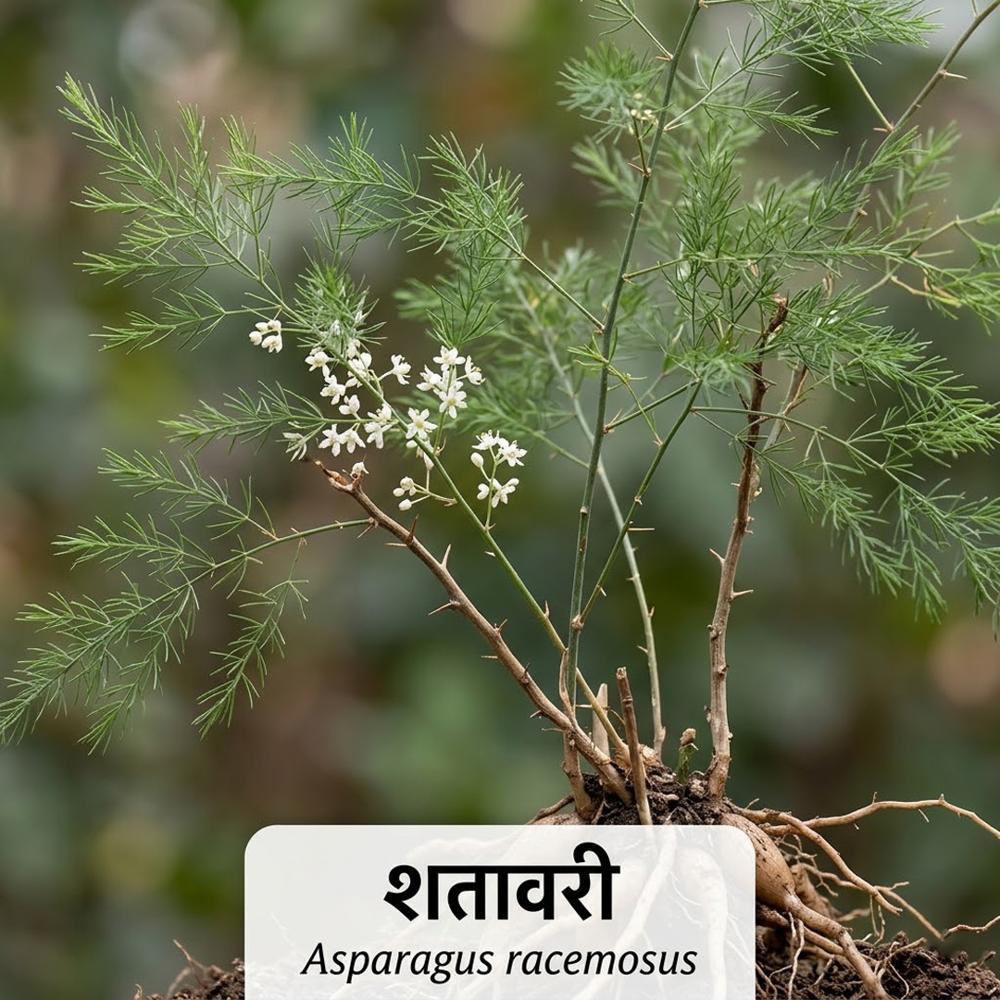
Asparagus racemosus (Shatavari) Herbal Raw Material
Asparagus racemosus, commonly known as Shatavari, is a traditionally valued Ayurvedic herb belonging to the Asparagaceae family. The plant is widely sourced and processed as a botanical raw material for use in Ayurvedic formulations, herbal products, nutraceuticals, dietary supplements, wellness products, and traditional health preparations.
We offer quality Asparagus racemosus suitable for B2B buyers, Ayurvedic manufacturers, herbal product manufacturers, nutraceutical companies, wholesalers, exporters, and private-label businesses. The raw material can be supplied in different forms and specifications according to buyer requirements.
What is Asparagus racemosus?
Asparagus racemosus, commonly known as Shatavari, is a perennial medicinal plant traditionally used in Ayurveda. It is characterized by its slender, climbing growth and clusters of tuberous roots. The roots are the primary plant part used commercially and are processed into dried root, powder, or other botanical preparations.
How is Shatavari typically processed?
Shatavari roots are harvested after reaching suitable maturity and are carefully collected to minimize damage. The roots are cleaned to remove soil and impurities and then dried under appropriate conditions. Once sufficiently dried, they can be supplied as whole dried roots, cut roots, or powdered botanical material, depending on the requirements of the buyer or formulation.
What are the main uses and applications?
Shatavari is widely used in Ayurvedic formulations, herbal supplements, traditional tonics, nutraceutical products, dietary supplements, and wellness preparations. Traditionally, it is valued for supporting general vitality, nourishment, digestive wellness, and women's wellness. It is also commonly incorporated into herbal formulations designed for overall health and nutritional support.
FAQ's of Asparagus racemosus
Q: How is Shatavari commonly consumed or used?
A: Shatavari is available in forms such as dried root, powder, capsules, tablets, and herbal formulations. The appropriate serving or dosage depends on the specific product and formulation. Users should follow the manufacturer's recommended directions or consult a qualified healthcare professional.
Q: What are the primary traditional uses of Asparagus racemosus?
A: Asparagus racemosus is traditionally valued for supporting general nourishment, vitality, digestive wellness, and women's wellness. It is a well-known botanical ingredient in Ayurvedic preparations.
Q: Which part of the Shatavari plant is used?
A: The tuberous roots are the principal commercially used part of Shatavari. They are cleaned, dried, and processed into whole-root, cut-root, powder, or other botanical forms.
Q: When is Shatavari typically harvested?
A: Shatavari is generally harvested when its roots have reached suitable maturity. The exact harvesting period can vary depending on the cultivation region, climate, soil conditions, and agricultural practices.
Q: Is Shatavari suitable for herbal and nutraceutical formulations?
A: Yes. Shatavari root and its processed forms are commonly used as botanical raw materials in Ayurvedic products, herbal formulations, nutraceuticals, dietary supplements, wellness products, and traditional preparations, subject to applicable quality and regulatory requirements.
Q: How should Shatavari raw material be stored?
A: Store Shatavari in a cool, dry, and well-ventilated place, protected from direct sunlight, excessive heat, and moisture. Keep the material in clean, tightly sealed packaging to help maintain its quality and shelf life.
Superior Herbal ExtractionOur Asparagus racemosus extract undergoes GMP-certified water or solvent extraction, ensuring a highly pure (98%) and potent product. The process retains important bioactive compounds like saponins, isoflavones, and alkaloids, supporting superior efficacy. Each batch is tested to meet pharmacopeial microbial limits, guaranteeing safety and quality for dietary and medicinal applications.
Versatile Applications for Health & WellnessThis Shatavari root extract delivers adaptogenic benefits, supporting women's health, immune function, healthy lactation, and inflammation reduction. Its versatility allows for use in health drinks, capsules, formulations, and traditional medicine. The product complies with allergen safety standards, making it suitable for a wide range of consumers seeking natural, plant-derived wellness solutions.
Optimal Storage and PackagingTo maintain its efficacy and freshness, store Asparagus racemosus extract in a cool, dry place away from sunlight. Packaging is done in food-grade HDPE containers with custom options available to suit specific requirements. Adhering to best storage practices ensures a 24-month shelf life and preserves the extract's active components.
FAQ's of Asparagus racemosus:
Q: How should Asparagus racemosus extract be used for health support?
A: The extract can be incorporated into dietary supplements, health drinks, or traditional medicinal formulations. It is commonly used as an adaptogen, for women's health, immune support, lactation aid, and to help manage inflammation. Always follow usage and dosage recommendations provided by a healthcare professional.
Q: What is the recommended storage condition for this herbal extract?
A: Store Asparagus racemosus powder in a cool, dry place away from direct sunlight. Using food-grade HDPE containers or properly sealed custom packaging preserves its potency and extends shelf life up to 24 months.
Q: What sets this extract apart in terms of purity and safety?
A: Our product is made from 100% Asparagus racemosus root, contains no major allergens, and is processed in a GMP-certified facility. It complies with pharmacopeial microbial standards and is gluten-free, non-GMO, and vegan for optimal safety.
Q: When is the best time to take Asparagus racemosus?
A: As dosage and timing can vary based on individual needs and formulations, it is best to follow your healthcare provider's instructions for optimal results and safety.
Q: Where is the Asparagus racemosus extract sourced and manufactured?
A: It is produced using roots from Asparagus racemosus and processed in a GMP-certified setting. Custom packaging and export options are available for global clients, ensuring quality from manufacturer to end user.
Q: What health benefits does this extract offer?
A: This herbal extract acts as an adaptogen, supports women's reproductive health, boosts the immune system, aids lactation, and possesses anti-inflammatory properties, making it suitable for a wide range of wellness applications.
Q: How is the Asparagus racemosus extract made and what forms are available?
A: The extract is made through solvent or water extraction of the root, concentrating active saponins and other phytochemicals. It is available as a fine powder, raw form, capsules, or liquid extracts depending on client needs.




 Send Inquiry