" We Are Dealing Only In Bulk Quantity "

call images

Call us

08037735111

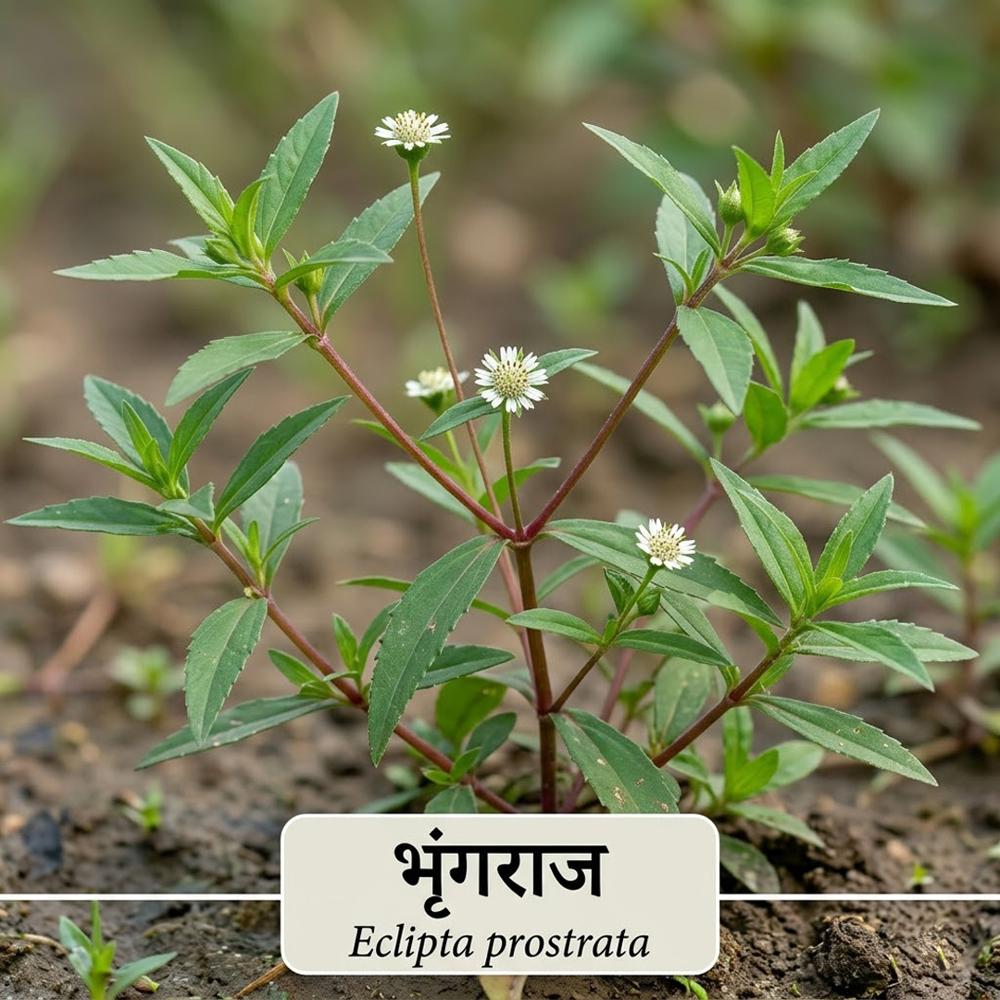
Eclipta prostrata

Eclipta prostrata

199.0 INR/Piece

Product Details:

  • Features Ayurvedic Medicinal Herb, Hair Care, Liver Tonic
  • Botanical Name Eclipta prostrata
  • Product Type Herbal/Medicinal Plant
  • Part Leaves/Whole Plant
  • Form Raw/Whole, Fresh/Dried
  • Purity(%) Natural, Not Specified
  • Ingredients Eclipta prostrata (Bhringraj)
  • Click to View more
X

Eclipta prostrata Price And Quantity

  • 20 Piece
  • 199.0 INR/Piece

Eclipta prostrata Product Specifications

  • Eclipta prostrata
  • Ayurvedic Medicinal Herb, Hair Care, Liver Tonic
  • Leaves/Whole Plant
  • Herbal, Earthy
  • Yes, after proper processing
  • Natural, Not Specified
  • Herbal/Medicinal Plant
  • Green
  • Hair Oils, Herbal Preparations, Traditional Medicine
  • Neutral to Slightly Acidic (Estimate)
  • Eclipta prostrata (Bhringraj)
  • 1-2 Years (if dried, stored properly)
  • Raw/Whole, Fresh/Dried
  • Wildcrafted/Cultivated
  • White
  • Moist places, commonly wild
  • Prostrate/Spreading
  • Promotes hair growth, improves liver health, supports skin health
  • Wedelolactone, Ecliptine, Coumestans
  • Asteraceae
  • Bhringraj
  • Store in cool, dry place, away from sunlight
  • Varies with preservation mode

Eclipta prostrata Trade Information

  • 1 Week

Product Description

Eclipta prostrata (Bhringraj) Herbal Raw Material

Eclipta prostrata, commonly known as Bhringraj or False Daisy, is a traditionally valued medicinal herb belonging to the Asteraceae family. It is widely sourced and processed as a botanical raw material for use in Ayurvedic formulations, herbal products, nutraceuticals, hair-care products, skincare products, cosmetics, wellness products, and traditional herbal preparations.

We offer quality Eclipta prostrata suitable for B2B buyers, Ayurvedic manufacturers, herbal product manufacturers, nutraceutical companies, cosmetic manufacturers, wholesalers, exporters, and private-label businesses. The raw material can be supplied in different forms and specifications according to buyer requirements.

What is Eclipta prostrata?

Eclipta prostrata, commonly known as Bhringraj, is a small annual herb with a long history of use in Ayurveda and traditional herbal practices. It is commonly found in moist areas and has small white flower heads. The leaves and aerial parts are commonly used as botanical raw material and contain naturally occurring phytoconstituents such as wedelolactone and related compounds.

How is Bhringraj typically processed?

Bhringraj is cultivated or collected from suitable growing environments and harvested when the plant has developed healthy foliage. The plant material is carefully cleaned to remove soil and foreign matter and then dried under appropriate conditions. The dried herb may be supplied as whole dried herb, cut herb, leaf material, powder, or processed botanical extract, depending on buyer requirements.

For hair-care applications, Bhringraj may also be processed into herbal oils, extracts, and other cosmetic ingredients.

What are the main uses and applications?

Eclipta prostrata is widely utilized in Ayurvedic formulations, herbal supplements, hair-care products, herbal oils, shampoos, conditioners, skincare products, cosmetics, wellness products, and traditional preparations. Traditionally, Bhringraj is particularly valued for hair and scalp wellness and is commonly incorporated into traditional hair-care formulations.

FAQ's of Eclipta prostrata

Q: How is Bhringraj commonly consumed or used?

A: Bhringraj is available in forms such as dried herb, powder, capsules, tablets, herbal extracts, oils, and cosmetic preparations. The appropriate serving or method of use depends on the specific product and formulation. Users should follow the manufacturer's recommended directions or consult a qualified healthcare professional.

Q: What are the primary traditional uses of Eclipta prostrata?

A: Eclipta prostrata is traditionally valued particularly for hair and scalp wellness, and is also used in various Ayurvedic and herbal preparations intended for general wellness.

Q: Which parts of the Bhringraj plant are used?

A: The leaves and aerial parts are commonly used in Bhringraj preparations. Depending on the intended application, the whole plant may also be collected, dried, and processed into powder or extract.

Q: When is Bhringraj typically harvested?

A: Bhringraj is generally harvested when the plant has developed sufficient foliage and reached suitable maturity. The exact harvesting period may vary according to cultivation region, climate, growing conditions, plant maturity, and agricultural practices.

Q: Is Bhringraj suitable for herbal, cosmetic, and hair-care formulations?

A: Yes. Bhringraj is commonly used as a botanical raw material in Ayurvedic products, herbal formulations, hair oils, shampoos, conditioners, scalp-care products, cosmetics, nutraceuticals, and wellness preparations, subject to applicable quality and regulatory requirements.

Q: How should Eclipta prostrata raw material be stored?

A: Store Bhringraj raw material in a cool, dry, and well-ventilated place, protected from direct sunlight, excessive heat, and moisture. Keep the material in clean, tightly sealed packaging to help preserve its botanical quality and shelf life.


Potent Herbal Remedy for Hair and Liver Health

Bhringraj is esteemed in traditional medicine for its multifaceted health benefits. Its active phytoconstituents are known to nourish hair, improve scalp condition, and act as an effective tonic for the liver. Whether used in oil, infusions, or as part of conventional herbal formulations, this versatile plant is favored for its natural purity and efficacy.


Cultivation and Care of Bhringraj

This herb is found predominantly in moist, wild environments but can also be cultivated. It has a spreading, low-lying growth pattern, and flourishes best with adequate moisture. For prolonged use, it is crucial to store dried Bhringraj away from sunlight in a cool, dry area to preserve its natural qualities and shelf life.

FAQ's of Eclipta prostrata:


Q: How should Bhringraj be stored to ensure maximum shelf life?

A: To maintain its potency and shelf life, Bhringraj should be stored in a cool, dry place, protected from direct sunlight and moisture. When properly dried and stored, it can last between 1 and 2 years.

Q: What are the traditional benefits of using Eclipta prostrata?

A: Traditionally, Eclipta prostrata is valued for promoting hair growth, enhancing liver function, and supporting skin health. Its herbal constituents such as wedelolactone contribute to its effectiveness in these roles.

Q: When is the optimal time to harvest Bhringraj for medicinal use?

A: Bhringraj is ideally harvested when the plant is flourishing in moist conditions and its leaves are vibrant green, which ensures higher levels of active compounds.

Q: Where does Bhringraj typically grow, and can it be cultivated?

A: Bhringraj naturally grows wild in moist locations, but it can also be successfully cultivated under controlled, moisture-rich conditions for commercial and medicinal use.

Q: What is the recommended process to use Bhringraj in hair care?

A: Bhringraj leaves or whole plant can be dried, powdered, or infused in oil. These preparations are then used in hair oils or masks to nourish the scalp and encourage healthy hair growth.

Q: Is Bhringraj edible, and are there any special processing steps required?

A: Yes, Bhringraj is edible after proper processing such as drying or boiling. Traditional medicinal preparations often use it as an ingredient in herbal tonics or teas, ensuring it is safe for consumption.

Q: What are the main active constituents in Eclipta prostrata, and what do they do?

A: Bhringraj contains wedelolactone, ecliptine, and coumestans, which are associated with its hair-strengthening, liver-protective, and anti-inflammatory properties.

Tell us about your requirement
product

Price:

Quantity
Select Unit

  • 50
  • 100
  • 200
  • 250
  • 500
  • 1000+
Additional detail
Mobile number

Email

Other Products in 'Herbs & Plant' category


Back to top