" We Are Dealing Only In Bulk Quantity "

Call us
08037735111
Call us
08037735111
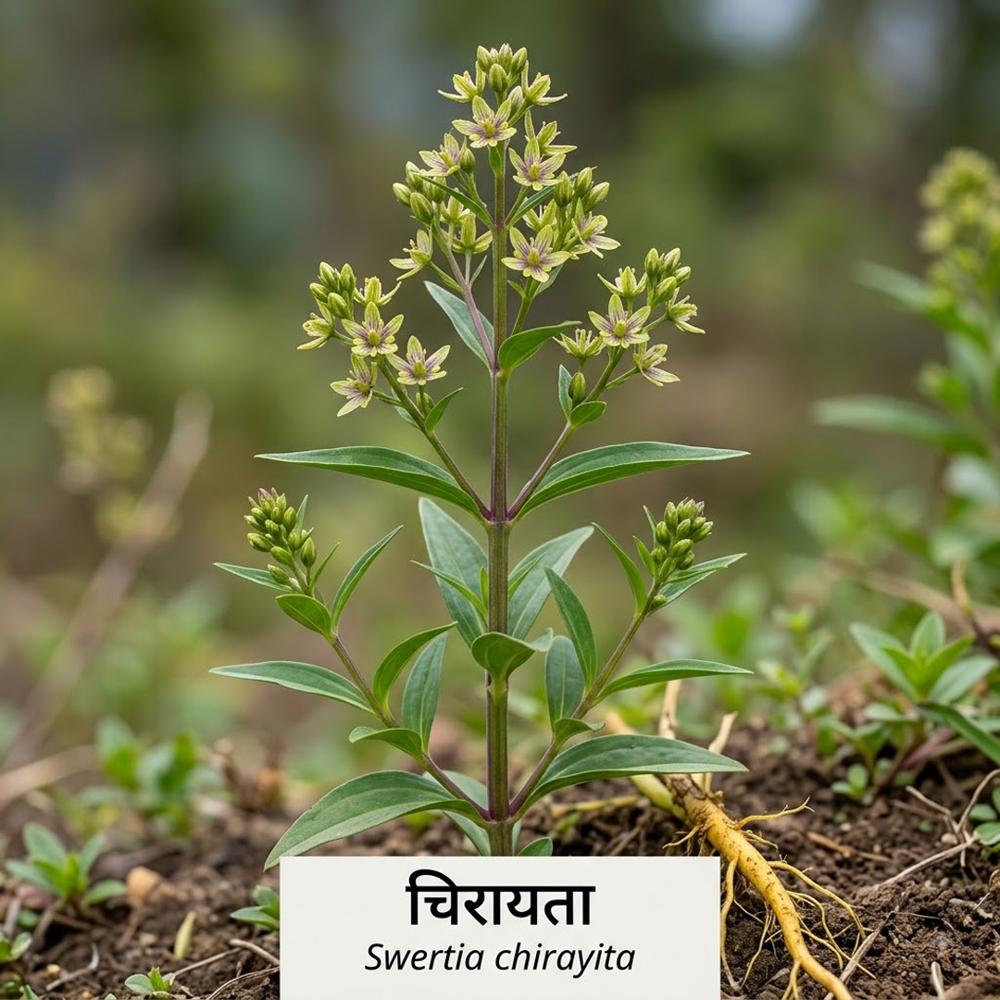
Swertia chirayita, commonly known as Chirata, Chirayata, or Indian Gentian, is a traditionally valued medicinal herb belonging to the Gentianaceae family. It has a long history of use in Ayurveda and traditional herbal practices and is widely sourced and processed as a botanical raw material for use in Ayurvedic formulations, herbal products, nutraceuticals, dietary supplements, herbal teas, wellness products, and traditional herbal preparations.
We offer quality Swertia chirayita suitable for B2B buyers, Ayurvedic manufacturers, herbal product manufacturers, nutraceutical companies, wholesalers, exporters, and private-label businesses. The raw material can be supplied in different forms and specifications according to buyer requirements.
Swertia chirayita, commonly known as Chirata or Chirayata, is a bitter-tasting herb traditionally associated with the Himalayan regions of India and neighboring areas. It has been used for generations in Ayurvedic and traditional herbal systems. The whole plant and aerial parts are commonly utilized as botanical raw material and contain naturally occurring bitter compounds such as amarogentin, swertiamarin, and other phytoconstituents.
Chirata is collected when the plant reaches suitable maturity and is carefully cleaned to remove soil and foreign matter. The harvested material is dried under appropriate conditions to reduce moisture while helping preserve its characteristic bitter profile and botanical quality. The dried herb may be supplied as whole dried herb, cut herb, powder, or processed botanical extract, according to buyer requirements.
Swertia chirayita is widely utilized in Ayurvedic formulations, herbal supplements, nutraceutical products, dietary supplements, herbal teas, traditional preparations, and wellness products. Traditionally, Chirata is valued for its association with digestive wellness, appetite support, and general wellness. Its naturally bitter taste makes it a characteristic ingredient in traditional herbal preparations.
A: Chirata is available in forms such as dried herb, cut herb, powder, capsules, tablets, herbal extracts, herbal teas, and traditional formulations. The appropriate serving or dosage depends on the specific product and formulation. Users should follow the manufacturer's recommended directions or consult a qualified healthcare professional.
A: Chirata is traditionally valued for supporting digestive wellness, healthy appetite, and general well-being. It is a recognized botanical ingredient in Ayurvedic and traditional herbal preparations.
A: The whole plant and aerial parts are commonly used. Depending on the intended application, the dried plant material may be supplied whole, cut, powdered, or processed into botanical extract.
A: Chirata is generally collected when the plant has reached suitable maturity, often around the flowering or fruiting stage depending on the intended raw material. The exact collection period may vary according to geographical region, altitude, climate, plant maturity, and collection practices.
A: Yes. Chirata is commonly used as a botanical raw material in Ayurvedic products, herbal formulations, nutraceuticals, dietary supplements, herbal teas, digestive wellness products, and traditional preparations, subject to applicable quality, safety, sustainability, and regulatory requirements.
A: Store Chirata raw material in a cool, dry, and well-ventilated place, protected from direct sunlight, excessive heat, and moisture. Keep the material in clean, tightly sealed packaging to help maintain its characteristic botanical quality and shelf life.

Price:

 Send Inquiry