Product Description
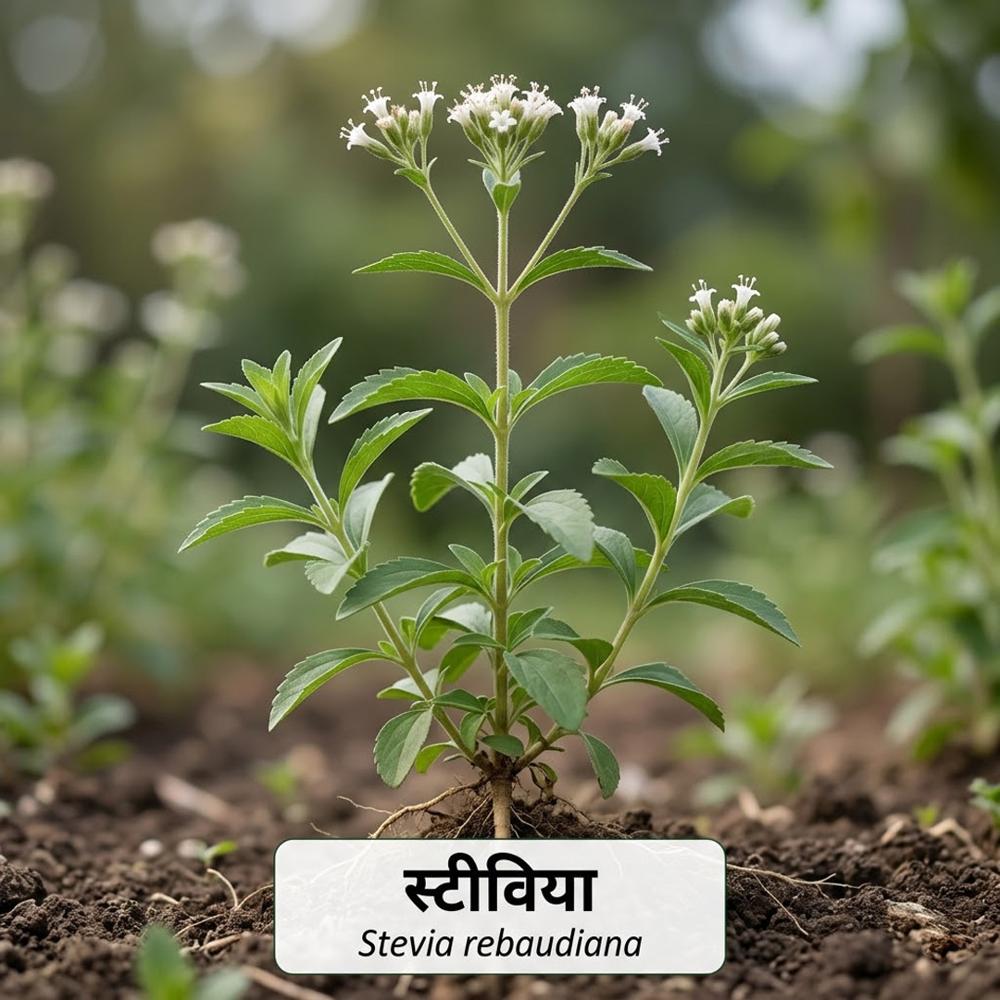
Stevia rebaudiana (Stevia / Sweet Leaf) Herbal Raw Material
Stevia rebaudiana, commonly known as Stevia, Stevia Leaf, or Sweet Leaf, is a naturally sweet herb belonging to the Asteraceae family. Native to South America and now cultivated in several regions worldwide, Stevia is widely sourced and processed as a botanical raw material for use in natural sweeteners, dietary supplements, nutraceuticals, functional foods, beverages, herbal products, and wellness formulations.
We offer quality Stevia rebaudiana suitable for B2B buyers, nutraceutical manufacturers, food and beverage manufacturers, herbal product manufacturers, natural sweetener companies, wholesalers, exporters, and private-label businesses. The raw material can be supplied in different forms and specifications according to buyer requirements.
What is Stevia rebaudiana?
Stevia rebaudiana is a small perennial herb known for the naturally sweet taste of its leaves. The leaves are the principal commercially utilized plant part and contain naturally occurring steviol glycosides, particularly stevioside and rebaudioside compounds, which provide intense sweetness with little or no contribution of conventional sugar.
How is Stevia typically processed?
Stevia leaves are harvested when they have developed suitable maturity and are carefully cleaned to remove dirt and foreign matter. The leaves are then dried under appropriate conditions and processed according to the intended application. The material may be supplied as dried leaves, leaf powder, liquid extract, or purified/standardized steviol glycoside ingredients, depending on buyer requirements and applicable food regulations.
What are the main uses and applications?
Stevia rebaudiana is widely utilized in natural sweeteners, dietary supplements, nutraceutical products, functional foods, beverages, herbal teas, food formulations, and wellness products. Its naturally sweet steviol glycosides make it particularly useful as a sugar-reduction or sugar-replacement ingredient in suitable food and beverage applications.
Stevia is also valued by manufacturers developing low-sugar and reduced-calorie product formulations, subject to applicable regulatory requirements.
FAQ's of Stevia rebaudiana
Q: How is Stevia commonly consumed or used?
A: Stevia is available in forms such as dried leaves, leaf powder, liquid extracts, and standardized steviol glycoside ingredients. It is commonly incorporated into beverages, food products, herbal teas, and dietary formulations according to the manufacturer's formulation and applicable regulations.
Q: What are the primary uses of Stevia rebaudiana?
A: Stevia is primarily valued as a natural high-intensity sweetening ingredient. It is widely used in products designed to reduce conventional sugar content and is suitable for various food, beverage, nutraceutical, and wellness formulations.
Q: Which part of the Stevia plant is used?
A: The leaves are the principal commercially utilized part of Stevia rebaudiana. They contain the steviol glycosides responsible for the plant's characteristic sweetness.
Q: When is Stevia typically harvested?
A: Stevia leaves are generally harvested when the plant has reached suitable maturity and before or around flowering, depending on the desired quality and steviol glycoside profile. The exact harvesting period varies according to cultivation region, climate, variety, and agricultural practices.
Q: Is Stevia suitable for food, beverage, herbal, and nutraceutical formulations?
A: Yes. Stevia is widely used in food and beverage products, natural sweeteners, nutraceuticals, dietary supplements, herbal teas, functional foods, and wellness formulations, subject to applicable food-safety standards and regulatory requirements for the specific form and market.
Q: How should Stevia rebaudiana raw material be stored?
A: Store dried Stevia leaves, powder, and extracts in a cool, dry, and well-ventilated place, protected from direct sunlight, heat, and moisture. Keep the material in clean, tightly sealed, food-grade packaging to help preserve its sweetness profile, botanical quality, and shelf life.
Unmatched Natural SweetnessStevia rebaudiana delivers powerful sweetness naturally, being 200 to 300 times sweeter than traditional sugar. Thanks to its primary components-Stevioside and Rebaudioside A-it provides a clean, sweet taste without calories or artificial additives. This makes it a preferred sweetener for diabetics, calorie-conscious individuals, and anyone seeking a healthier sugar alternative in drinks, baked goods, and tabletop applications.
Superior Purity & Flexible FormsWith purity up to 99%, our Stevia rebaudiana comes in both powder and dried leaf forms to cater to multiple formulation needs. Extracted from natural leaves using water or solvent methods, it is kept allergen-free and complies with strict food safety and heavy metal standards. Custom packaging and weights are available, ensuring your batch meets both safety and shelf-life expectations.
Versatile Uses & BenefitsAs a non-GMO, natural, and organic sweetener, Stevia rebaudiana is not only a sugar substitute for food and beverages but also widely used in pharmaceuticals, baking, tea, and juices. Its zero calorie profile helps consumers manage weight and blood sugar levels, while its mild, sweet herbaceous aroma enhances the flavor experience. Properly stored, it remains fresh and effective for up to two years.
FAQ's of Stevia rebaudiana:
Q: How is Stevia rebaudiana used in food and beverage applications?
A: Stevia rebaudiana can be incorporated as a tabletop sweetener, or mixed into recipes for baking, tea, juices, and processed foods. Usage levels typically range from 0.1% to 0.5%, depending on the desired sweetness and formulation.
Q: What benefits does Stevia rebaudiana offer compared to regular sugar?
A: Stevia rebaudiana is intensely sweet but contains zero calories, making it suitable for managing calorie intake and blood sugar levels. It's also diabetes-friendly, non-GMO, and has no artificial sweeteners or allergens, setting it apart from conventional sugar and synthetic alternatives.
Q: When and how should Stevia rebaudiana be stored to maintain quality?
A: For optimal shelf life and effectiveness, Stevia rebaudiana should be stored in a cool, dry place away from sunlight. Proper storage ensures a shelf life of up to two years and prevents moisture absorption or degradation.
Q: Where does Stevia rebaudiana come from and what is its harvest season?
A: Stevia rebaudiana is extracted from the leaves of the Stevia plant, botanically known as Stevia rebaudiana. The leaves are typically harvested from summer to early autumn for peak freshness and active content.
Q: What is the process used to extract the sweet compounds from Stevia rebaudiana?
A: The extraction involves using either water or solvent methods to isolate steviol glycosides, primarily Stevioside and Rebaudioside A, resulting in a fine powder or dried leaf product suitable for various applications.
Q: Is Stevia rebaudiana free from allergens and heavy metals?
A: Yes, Stevia rebaudiana is allergen free and its microbial and heavy metal content complies with international food safety standards, making it safe for consumption in foods and pharmaceuticals.
Q: What packaging options are available for Stevia rebaudiana and how does it ensure product safety?
A: Stevia rebaudiana is available in vacuum sealed packs, HDPE drums, or aluminum foil pouches. These options protect the extract from moisture, air, and sunlight, ensuring product freshness and compliance with rigorous safety standards.




 Send Inquiry