" We Are Dealing Only In Bulk Quantity "

call images

Call us

08037735111

Zingiber officinale

Zingiber officinale

249.0 INR/Piece

Product Details:

  • Features Aromatic, pungent, medicinal, culinary use, antioxidant properties
  • Botanical Name Zingiber officinale
  • Product Type Botanical/Herb
  • Variety Common Ginger
  • Part Rhizome (Root)
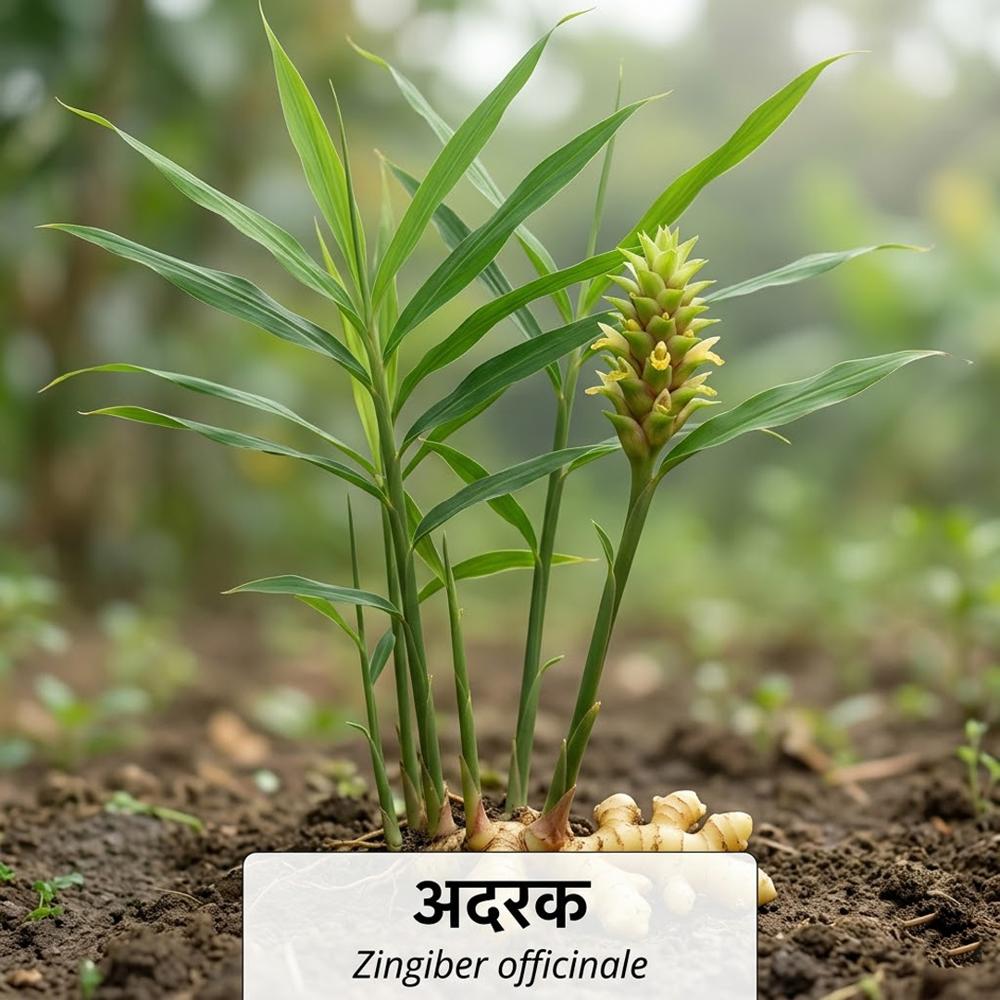
  • Form Fresh (in image), also available as dried, powder, or extract
  • Purity(%) Typically 98-100% (natural form)
  • Click to View more
X

Zingiber officinale Price And Quantity

  • 249.0 INR/Piece
  • 51 Piece

Zingiber officinale Product Specifications

  • Typically 98-100% (natural form)
  • Zingiber officinale
  • Yes
  • Light yellow to golden brown (for rhizome)
  • Aromatic, pungent, medicinal, culinary use, antioxidant properties
  • Fresh (in image), also available as dried, powder, or extract
  • Culinary spice, herbal medicine, beverage ingredient, flavoring agent
  • Rhizome (Root)
  • Fresh: 2-3 weeks, Dried/Powder: up to 1-2 years
  • Gingerol, shogaol, zingerone, essential oils
  • Botanical/Herb
  • Strong, aromatic, spicy
  • 5.6 - 6.0
  • Common Ginger
  • Cool, dry place away from sunlight
  • Gingerol, zingiberene, beta-sesquiphellandrene
  • 8% - 12% (dry rhizome)
  • Generally safe, rare allergic reactions
  • 8-10 months after planting
  • Cleaning, drying, grinding or extracting
  • Organic, traditional and conventional
  • Insoluble in water (raw), soluble in ethanol (extract)
  • Within permissible limits for food grade

Zingiber officinale Trade Information

  • 1 Week

Product Description

Zingiber officinale (Adrak / Ginger) Herbal Raw Material

Zingiber officinale, commonly known as Adrak or Ginger, is a traditionally valued aromatic plant belonging to the Zingiberaceae family. It is widely cultivated and processed as a botanical and culinary raw material for use in Ayurvedic formulations, herbal products, nutraceuticals, dietary supplements, functional foods, herbal teas, beverages, wellness products, and traditional preparations.

We offer quality Zingiber officinale suitable for B2B buyers, Ayurvedic manufacturers, herbal product manufacturers, nutraceutical companies, food and beverage manufacturers, spice manufacturers, wholesalers, exporters, and private-label businesses. The raw material can be supplied in different forms and specifications according to buyer requirements.

What is Zingiber officinale?

Zingiber officinale, commonly known as Ginger, is a perennial herbaceous plant widely cultivated in tropical and subtropical regions. The rhizome is the principal commercially used part and is characterized by its distinctive aroma and warm, pungent flavor. Ginger naturally contains compounds such as gingerols and shogaols, along with volatile oils and other botanical constituents.

How is Ginger typically processed?

Ginger rhizomes are harvested once the plant reaches suitable maturity. The harvested rhizomes are carefully cleaned to remove soil and foreign matter and may be washed, peeled, sliced, and dried depending on the intended application. The processed material can be supplied as fresh rhizome, whole dried ginger, sliced dried ginger, ginger powder, or botanical extract, according to buyer requirements.

What are the main uses and applications?

Zingiber officinale is widely utilized in Ayurvedic formulations, herbal supplements, nutraceutical products, dietary supplements, functional foods, herbal teas, beverages, spice blends, traditional preparations, and wellness products. Traditionally, Ginger is valued for supporting digestive comfort, healthy appetite, respiratory comfort, and general wellness. Its characteristic warm flavor and aroma also make it a popular culinary ingredient.

FAQ's of Zingiber officinale

Q: How is Ginger commonly consumed or used?

A: Ginger is available in forms such as fresh rhizome, dried ginger, sliced ginger, powder, capsules, tablets, herbal extracts, teas, and beverages. It is also widely used as a culinary spice. The appropriate serving depends on the specific product and intended application.

Q: What are the primary traditional uses of Zingiber officinale?

A: Ginger is traditionally valued for supporting digestive comfort, healthy appetite, respiratory comfort, and general wellness. It is a widely used botanical ingredient in Ayurvedic and traditional herbal preparations.

Q: Which part of the Ginger plant is used?

A: The rhizome is the principal commercially used part of Zingiber officinale. It is harvested, cleaned, and processed into fresh, dried, sliced, powdered, or extracted forms.

Q: When is Ginger typically harvested?

A: Ginger rhizomes are generally harvested after the plant has reached suitable maturity. The harvesting period may vary depending on the intended applicationsuch as fresh ginger or mature dried gingerand according to cultivation region, climate, variety, soil conditions, and agricultural practices.

Q: Is Ginger suitable for herbal, food, and nutraceutical formulations?

A: Yes. Ginger is widely used as a botanical and food ingredient in Ayurvedic products, herbal formulations, nutraceuticals, dietary supplements, functional foods, beverages, herbal teas, spice blends, and traditional preparations, subject to applicable quality, safety, and regulatory requirements.

Q: How should Zingiber officinale raw material be stored?

A: Storage conditions depend on the form supplied. Dried Ginger, slices, and powder should generally be stored in a cool, dry, well-ventilated place away from direct sunlight and moisture in tightly sealed packaging. Fresh ginger should be stored according to appropriate fresh-produce handling conditions.


Versatile Forms and Uses

Ginger's rhizome can be consumed fresh, dried, powdered, or as an extract, making it suitable for a variety of culinary and therapeutic applications. Its strong flavor and aroma add depth to dishes, beverages, and traditional preparations. Ginger's medicinal properties have made it a valued ingredient in herbal medicine and remedies worldwide.


Cultivation and Processing Standards

Ginger is cultivated under organic, traditional, and conventional practices. Rhizomes are typically harvested 8-10 months after planting for optimal flavor and active compound content. After harvest, ginger undergoes cleaning, drying, and further processing-such as grinding or extracting-to ensure food grade quality and microbial safety.

FAQ's of Zingiber officinale:


Q: How is Zingiber officinale typically processed after harvest?

A: After harvesting, ginger rhizomes are cleaned to remove soil and impurities. They are then dried to achieve 8%-12% moisture content, which helps extend shelf life. Depending on demand, the dried rhizomes may be ground into powder or processed into extracts for culinary and medicinal uses.

Q: What are the primary uses and benefits of ginger rhizomes?

A: Ginger is widely used as a culinary spice, a herbal medicine, and a beverage ingredient. Its bioactive compounds, such as gingerol, contribute to its antioxidant and anti-inflammatory properties, making it beneficial for digestion, immune support, and overall wellness.

Q: When is ginger harvested for optimal quality?

A: Ginger is typically harvested 8 to 10 months after planting. At this stage, the rhizome has matured and contains the highest concentration of active compounds, offering the best flavor and medicinal qualities.

Q: Where should ginger be stored to maintain its freshness and quality?

A: Ginger rhizomes should be stored in a cool, dry place away from sunlight. Fresh ginger lasts for 2-3 weeks, while dried or powdered forms can stay potent for up to 1-2 years under proper storage conditions.

Q: What makes organic, traditional, and conventional ginger different from each other?

A: Organic ginger is grown without synthetic pesticides or fertilizers, emphasizing ecological sustainability. Traditional cultivation often relies on local, time-honored methods, while conventional farming may use modern agricultural inputs for higher yields.

Q: Is ginger safe for everyone to consume, and are there any allergy risks?

A: Ginger is generally recognized as safe for consumption, with rare instances of allergic reactions. Individuals with known sensitivities should exercise caution, but most people can enjoy its health and culinary benefits without issues.

Q: What active compounds are present in ginger and how do they enhance its properties?

A: Ginger contains active compounds such as gingerol, shogaol, zingerone, and essential oils. These constituents impart its strong aroma, spicy flavor, and notable antioxidant and medicinal benefits.

Tell us about your requirement
product

Price:

Quantity
Select Unit

  • 50
  • 100
  • 200
  • 250
  • 500
  • 1000+
Additional detail
Mobile number

Email

Other Products in 'Herbs & Plant' category


Back to top