Product Description
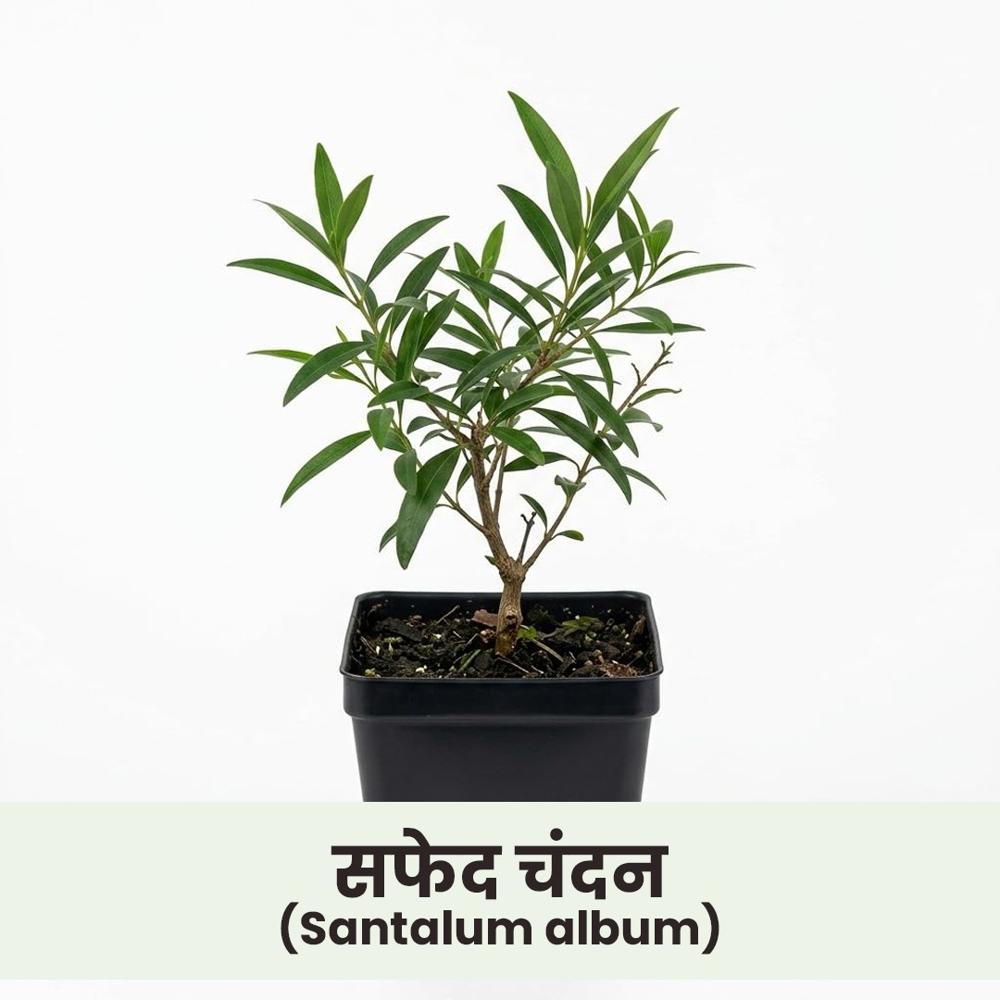
Santalum album (Chandan / Sandalwood) Herbal Raw Material
Santalum album, commonly known as Chandan, Indian Sandalwood, or Sandalwood, is a traditionally valued aromatic tree belonging to the Santalaceae family. It has a long history of use in Ayurveda, traditional herbal practices, cosmetics, perfumery, skincare, aromatherapy, and wellness products.
We offer quality Santalum album suitable for B2B buyers, Ayurvedic manufacturers, herbal product manufacturers, cosmetic manufacturers, fragrance companies, wholesalers, exporters, and private-label businesses. The raw material can be supplied in different forms and specifications according to buyer requirements.
What is Santalum album?
Santalum album, commonly known as Indian Sandalwood, is a small to medium-sized evergreen tree known for its distinctive, pleasant, and long-lasting fragrance. The heartwood and essential oil are the principal commercially utilized materials. Sandalwood contains naturally occurring aromatic constituents, particularly -santalol and -santalol, which contribute to its characteristic fragrance.
How is Sandalwood typically processed?
Mature sandalwood trees are harvested according to applicable legal and sustainable sourcing requirements. The heartwood is separated from other parts of the tree and carefully processed. Depending on the intended application, the material may be supplied as sandalwood chips, heartwood pieces, powder, paste, or sandalwood essential oil, according to buyer requirements and applicable specifications.
What are the main uses and applications?
Santalum album is widely utilized in Ayurvedic formulations, herbal products, skincare products, cosmetic formulations, soaps, creams, incense, perfumes, aromatherapy products, and traditional wellness preparations. Traditionally, Sandalwood is particularly valued for its cooling and soothing qualities and is commonly incorporated into skincare and aromatic preparations.
Its distinctive fragrance makes it an important botanical ingredient in perfumery and personal-care formulations.
FAQ's of Santalum album
Q: How is Sandalwood commonly used?
A: Sandalwood is available in forms such as heartwood pieces, chips, powder, paste, and essential oil. It is commonly used in cosmetic, fragrance, Ayurvedic, aromatic, and traditional preparations according to the intended application.
Q: What are the primary traditional uses of Santalum album?
A: Sandalwood is traditionally valued for its soothing, cooling, aromatic, and skincare-related properties. It is widely used in Ayurvedic preparations, cosmetics, perfumery, incense, and wellness products.
Q: Which part of the Sandalwood tree is used?
A: The heartwood is the principal commercially valued part, while sandalwood oil obtained from the heartwood is also widely used in fragrance, cosmetic, and wellness applications.
Q: When is Sandalwood typically harvested?
A: Sandalwood is generally harvested from mature trees when sufficient heartwood and oil have developed. Harvesting and trade are subject to applicable government regulations, permits, conservation requirements, and sustainable sourcing practices.
Q: Is Sandalwood suitable for herbal, cosmetic, and fragrance formulations?
A: Yes. Santalum album is widely used as a botanical raw material in Ayurvedic products, herbal formulations, skincare products, cosmetics, perfumes, incense, aromatherapy products, and traditional preparations, subject to applicable quality, safety, sustainability, and regulatory requirements.
Q: How should Santalum album raw material be stored?
A: Store Sandalwood raw material in a cool, dry, and well-ventilated place, protected from direct sunlight, excessive heat, and moisture. Keep powder, chips, and other dry materials in clean, tightly sealed packaging to help preserve their natural aroma, botanical quality, and shelf life.
Optimal Growing Conditions for Santalum albumSantalum album flourishes in neutral, well-drained sandy loam with a pH of 6.0-7.5. It benefits from full sunlight to partial shade and should be watered moderately to avoid waterlogging. This species grows best in temperatures ranging from 12C to 35C. For improved development, it requires host plants-especially legumes-which can enhance its growth and health.
Primary Uses and BenefitsSafed Chandan is valued for its aromatic heartwood and roots, used traditionally for fragrance, rituals, and medicinal purposes. The plant purifies air, is highly ornamental, and plays an important role in landscaping, agroforestry, and export industries. Its wood is also coveted by manufacturers, exporters, and traders for its unique scent and applications.
Care and Maintenance TipsYoung Santalum album plants should be established during the monsoon or early spring. Ensure the pot or planting site has well-drained soil and receives sufficient sunlight. Avoid overwatering and provide a suitable host plant to ensure optimal growth. Routine care increases the plant's longevity, with potential lifespan exceeding 100 years when grown in-ground.
FAQ's of Santalum album:
Q: How should I plant and care for my Santalum album sapling?
A: Choose well-drained, sandy loam soil with a neutral pH (6.0-7.5) and plant your young sandalwood in a spot with full sunlight to partial shade. Water moderately and avoid letting the soil become waterlogged. For best results, introduce a host plant nearby, such as a legume, to support healthy growth.
Q: What are the main uses and benefits of White Sandalwood (Santalum album)?
A: White Sandalwood is highly prized for its aromatic wood, used in perfumery, religious rituals, and traditional medicine. Besides its fragrance, the plant is valued for ornamental landscaping, air purification, and as a medicinal resource in various systems. It is also cultivated commercially for export and trade.
Q: When is the best time to plant Santalum album?
A: The most suitable times for planting this species are during the monsoon or early spring, as these periods provide the ideal moisture and temperature conditions for root establishment and young growth.
Q: Where does Santalum album grow best?
A: Santalum album thrives in regions with well-drained, sandy loam soils, neutral pH, and mild to warm climates ranging between 12C and 35C. It originates from the Indian subcontinent, but can adapt to similar environments elsewhere with careful management.
Q: What is the growth rate and lifespan of Santalum album?
A: Santalum album exhibits a slow growth rate, especially in its early years. However, with proper care, the plant can live and produce valuable wood for up to 100 years when grown in suitable soil and environmental conditions.
Q: Why does Santalum album need a host plant?
A: Santalum album is a partial root parasite that relies on nearby host plants-preferably legumes-for enhanced nutrient uptake. The host partnership significantly improves growth and vitality in both potted and in-ground settings.