" We Are Dealing Only In Bulk Quantity "

call images

Call us

08037735111

Foeniculum vulgare

Foeniculum vulgare

199.0 INR/Piece

Product Details:

  • Features Aromatic, digestive aid, carminative, culinary and medicinal uses
  • Botanical Name Foeniculum vulgare
  • Product Type Herbal/Spice/Plant Extract
  • Variety Common Fennel
  • Part Seeds (primary), also leaves and stems
  • Form Whole, Powder, or Extract
  • Ingredients Natural fennel plant material
  • Click to View more
X

Foeniculum vulgare Price And Quantity

  • 199.0 INR/Piece
  • 60 Piece

Foeniculum vulgare Product Specifications

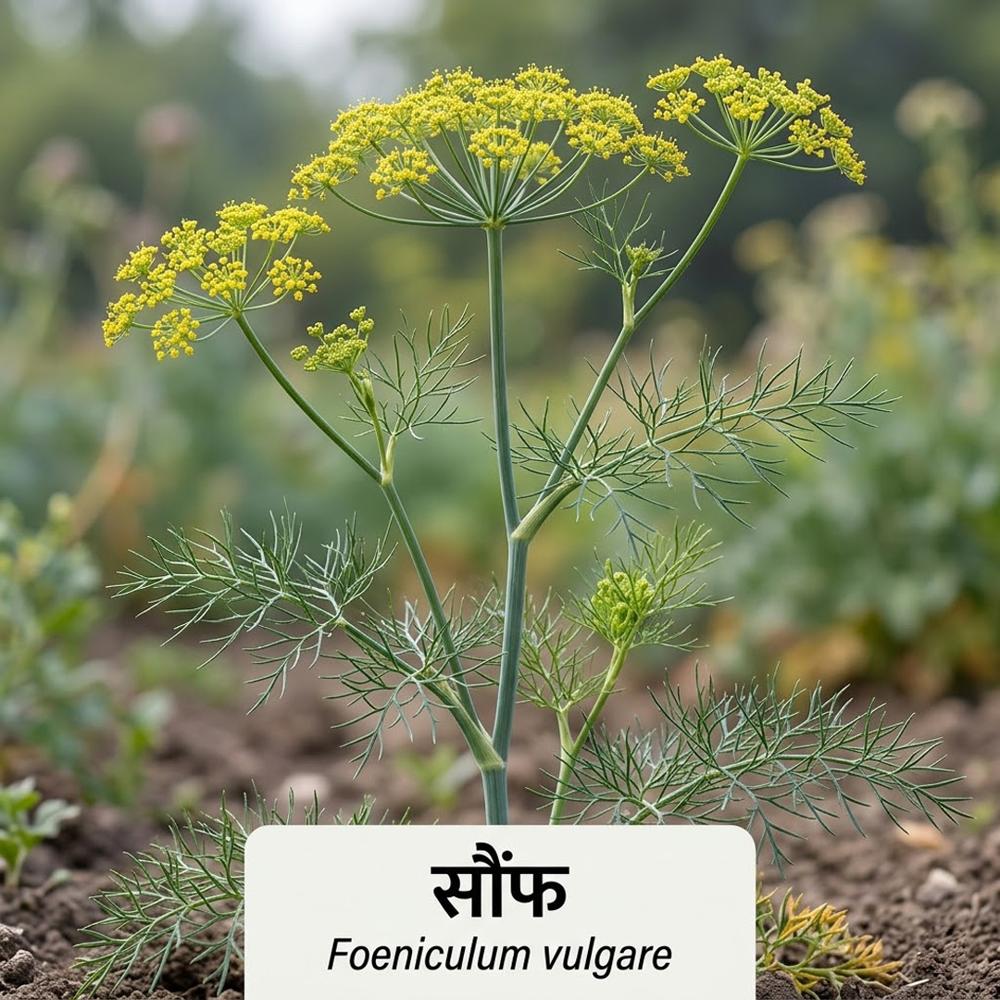
  • Greenish to yellow (seeds), Feathery green foliage, Yellow flowering tops
  • Common Fennel
  • Natural fennel plant material
  • Culinary seasoning, herbal medicine, digestive support, garnishing
  • Distinctly sweet and aromatic, anise-like
  • Whole, Powder, or Extract
  • 2-3 years (dry seeds stored properly)
  • Seeds (primary), also leaves and stems
  • Foeniculum vulgare
  • Yes
  • Herbal/Spice/Plant Extract
  • Aromatic, digestive aid, carminative, culinary and medicinal uses
  • Essential oil, tea, dried herb, spice blend
  • Cool, dry, and airtight container
  • Temperate to subtropical climates
  • Apiaceae
  • Perennial herb
  • Well-drained, fertile soils, prefers loamy soil
  • India, Egypt, China (major global exporters)
  • Antioxidant, antimicrobial, supports lactation, freshens breath
  • Up to 2 meters
  • Saunf (), Fennel
  • Late summer to early autumn (for seeds)
  • Moderate, avoid waterlogging
  • Generally recognized as safe when used appropriately
  • Anethole, fenchone, estragole, limonene

Foeniculum vulgare Trade Information

  • 1 Week

Product Description

Foeniculum vulgare (Saunf / Fennel) Herbal Raw Material

Foeniculum vulgare, commonly known as Saunf or Fennel, is an aromatic herb belonging to the Apiaceae family. It is widely cultivated and valued as a botanical and culinary raw material for use in Ayurvedic formulations, herbal products, nutraceuticals, dietary supplements, digestive wellness products, herbal teas, food preparations, and traditional health products.

We offer quality Foeniculum vulgare suitable for B2B buyers, Ayurvedic manufacturers, herbal product manufacturers, nutraceutical companies, food and beverage manufacturers, wholesalers, exporters, and private-label businesses. The raw material can be supplied in different forms and specifications according to buyer requirements.

What is Foeniculum vulgare?

Foeniculum vulgare, commonly known as Saunf or Fennel, is a perennial aromatic herb widely cultivated in India and other parts of the world. The plant produces elongated, aromatic fruits that are commonly referred to as fennel seeds. Fennel naturally contains volatile oils, including anethole, which contributes to its characteristic sweet aroma and flavor.

How is Fennel typically processed?

Fennel is cultivated under suitable soil and climatic conditions and harvested when the fruits have reached appropriate maturity. The harvested fruits are collected, cleaned, and dried under suitable conditions to reduce moisture and maintain their natural aroma. The material can then be supplied as whole fennel seeds/fruits, crushed material, powder, or processed botanical extract, according to buyer requirements.

What are the main uses and applications?

Foeniculum vulgare is widely utilized in Ayurvedic formulations, herbal supplements, nutraceutical products, digestive wellness preparations, herbal teas, food products, spice blends, traditional preparations, and wellness products. Traditionally, Fennel is valued for supporting digestive comfort, healthy appetite, and gastrointestinal wellness. Its naturally sweet and aromatic profile also makes it popular in herbal beverages and food preparations.

FAQ's of Foeniculum vulgare

Q: How is Fennel commonly consumed or used?

A: Fennel is available as whole seeds/fruits, powder, capsules, tablets, herbal extracts, herbal teas, and traditional formulations. It is also widely used as a culinary spice and as an ingredient in herbal beverages. The appropriate serving depends on the specific product and intended application.

Q: What are the primary traditional uses of Foeniculum vulgare?

A: Fennel is traditionally valued for supporting digestive comfort, healthy appetite, gastrointestinal wellness, and general digestive health. It is a commonly used botanical and culinary ingredient in traditional preparations.

Q: Which part of the Fennel plant is used?

A: The dried fruits, commonly called fennel seeds, are the principal commercially used part for herbal and culinary applications. The fruits are harvested, cleaned, dried, and processed into different forms.

Q: When is Fennel typically harvested?

A: Fennel is generally harvested when the fruits have reached suitable maturity and developed their characteristic aroma. The exact harvesting period may vary according to cultivation region, climate, soil conditions, crop maturity, and agricultural practices.

Q: Is Fennel suitable for herbal, food, and nutraceutical formulations?

A: Yes. Fennel is commonly used as a botanical and food ingredient in Ayurvedic products, herbal formulations, nutraceuticals, dietary supplements, digestive wellness products, herbal teas, spice blends, beverages, and food preparations, subject to applicable quality, safety, and regulatory requirements.

Q: How should Foeniculum vulgare raw material be stored?

A: Store Fennel in a cool, dry, and well-ventilated place, protected from direct sunlight, excessive heat, and moisture. Keep the material in clean, airtight packaging to help preserve its natural aroma, flavor, botanical quality, and shelf life.


Distinctive Aromatic Profile

Foeniculum vulgare is valued for its sweet, aromatic scent reminiscent of anise, deriving from natural constituents such as anethole and fenchone. The seeds are greenish to yellow, while the leaves are feathery and green, topped with vibrant yellow flowers. This unique profile enhances both culinary and medicinal applications.


Growing and Harvesting Conditions

Fennel flourishes in temperate to subtropical climates. Ideally, it should be cultivated in well-drained, fertile loamy soil with moderate watering-avoiding waterlogged conditions. The primary harvest period for fennel seeds is late summer to early autumn, ensuring peak potency and flavor.


Culinary and Medicinal Advantages

Fennel is renowned as a digestive aid, carminative, and breath freshener. It can be consumed whole, as a powder, or extracted into essential oil and tea. Besides its culinary uses as a seasoning and garnish, fennel also demonstrates antioxidant and antimicrobial properties, making it valuable for herbal medicine.

FAQ's of Foeniculum vulgare:


Q: How should Fennel (Foeniculum vulgare) seeds be used in daily routines?

A: Fennel seeds can be incorporated as a culinary seasoning in dishes, brewed as a tea for digestive relief, chewed after meals to freshen breath, or used in spice blends. They are also popular in herbal medicine as a digestive support and carminative.

Q: What is the best time to harvest fennel seeds for maximum potency?

A: The optimal harvesting season for fennel seeds is from late summer to early autumn. At this time, seeds have matured fully and their essential oil content is at its peak, ensuring the best flavor and aroma.

Q: Where does most commercial fennel come from?

A: Major global exporters of fennel include India, Egypt, and China. These countries cultivate high-quality fennel under suitable climatic conditions and supply both raw seeds and processed forms worldwide.

Q: What is the recommended soil and water requirement for growing fennel effectively?

A: Fennel requires well-drained, fertile soil, preferably loamy in texture. Moderate watering should be maintained, and care should be taken to avoid waterlogging, which can negatively affect plant health.

Q: How is fennel typically processed and stored to preserve its quality?

A: After harvesting, fennel seeds are cleaned and dried, then stored in cool, dry, airtight containers to maintain their aroma and potency. Proper storage ensures a shelf life of two to three years for dry seeds.

Q: What are the primary health benefits associated with fennel consumption?

A: Fennel is known for its antioxidant and antimicrobial actions, support for lactation, digestive relief, and refreshing effect on breath. Its natural compounds contribute to these health-promoting benefits without significant toxicity when used appropriately.

Q: In which forms is fennel commonly available for consumers?

A: Fennel is commonly offered as whole seeds, ground powder, herbal extracts, essential oil, and in blends such as teas or spice mixtures, providing flexibility for culinary, medicinal, and aromatic uses.

Tell us about your requirement
product

Price:

Quantity
Select Unit

  • 50
  • 100
  • 200
  • 250
  • 500
  • 1000+
Additional detail
Mobile number

Email

Other Products in 'Herbs & Plant' category


Back to top