Product Description
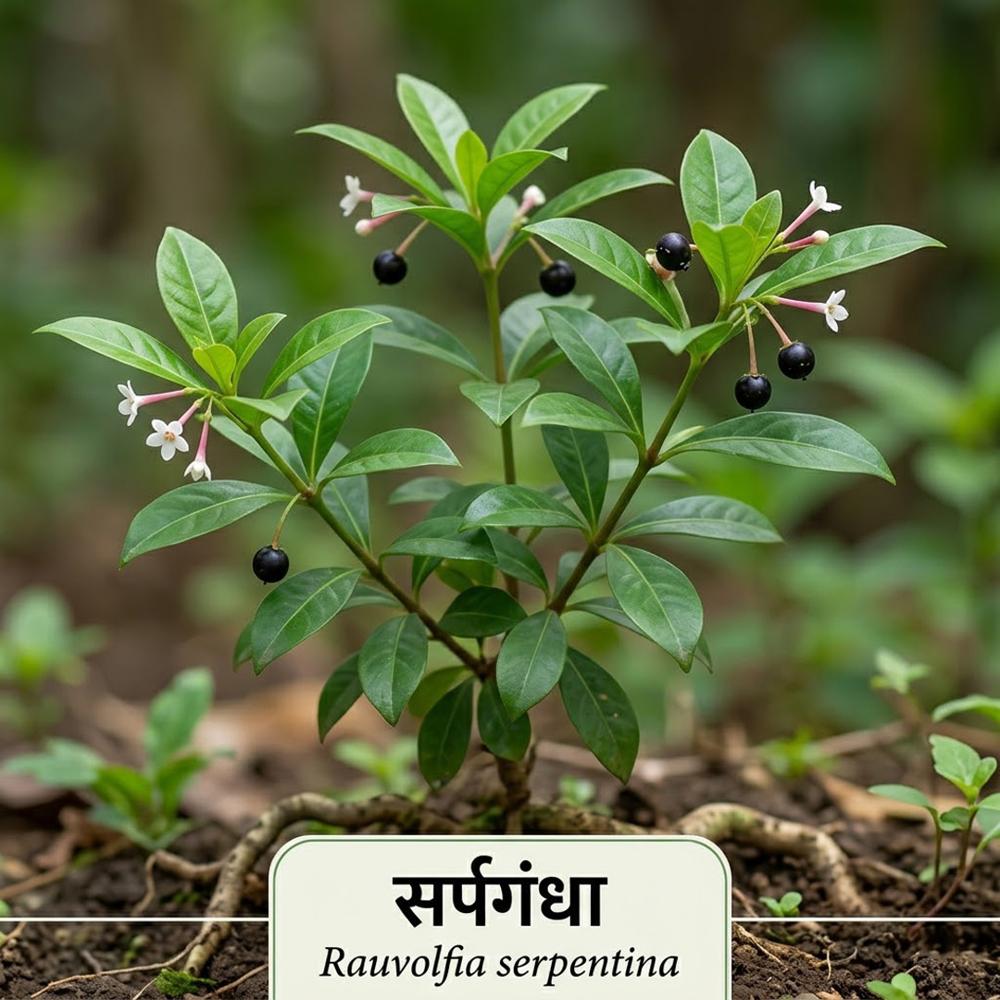
Rauvolfia serpentina (Sarpagandha) Herbal Raw Material
Rauvolfia serpentina, commonly known as Sarpagandha or Indian Snakeroot, is a traditionally valued medicinal plant belonging to the Apocynaceae family. It is widely recognized as an important botanical raw material for use in Ayurvedic formulations, herbal preparations, traditional wellness products, and research applications.
We offer quality Rauvolfia serpentina suitable for B2B buyers, Ayurvedic manufacturers, herbal product manufacturers, botanical ingredient suppliers, wholesalers, exporters, and private-label businesses. The raw material can be supplied in different forms and specifications according to buyer requirements.
What is Rauvolfia serpentina?
Rauvolfia serpentina, commonly known as Sarpagandha, is a perennial evergreen shrub native to the Indian subcontinent and parts of Southeast Asia. It has been traditionally used in Ayurveda and other systems of traditional medicine. The roots are the principal plant part used commercially and contain naturally occurring alkaloids, including reserpine.
How is Sarpagandha typically processed?
Sarpagandha is cultivated under suitable environmental conditions and harvested once the roots have reached appropriate maturity. The roots are carefully collected, cleaned, and dried under controlled conditions to help maintain their quality. The dried material may then be supplied as whole roots, cut roots, powder, or processed botanical raw material, depending on the buyer's specifications.
What are the main uses and applications?
Rauvolfia serpentina is traditionally used as a botanical ingredient in Ayurvedic and herbal formulations. It has also been studied extensively because of its naturally occurring alkaloids. Due to the pharmacological activity of certain constituents, Sarpagandha raw material should be used in accordance with applicable regulatory requirements and qualified professional guidance, particularly when intended for health-related formulations.
FAQ's of Rauvolfia serpentina
Q: How is Sarpagandha commonly used?
A: Sarpagandha is available as dried root, cut root, powder, and processed botanical material. Because the plant contains biologically active alkaloids, the appropriate use and dosage should be determined according to the intended formulation and under qualified professional guidance.
Q: What are the primary traditional uses of Rauvolfia serpentina?
A: Rauvolfia serpentina has a long history of traditional use in Ayurveda and other traditional systems. It is particularly known as a botanical containing naturally occurring indole alkaloids, which have been the subject of extensive scientific and pharmacological research.
Q: Which part of the Sarpagandha plant is used?
A: The roots are the principal commercially utilized part of Rauvolfia serpentina. They are harvested, cleaned, dried, and processed into different raw-material forms.
Q: When is Sarpagandha typically harvested?
A: Sarpagandha roots are generally harvested after the plant has reached suitable maturity. The harvesting period may vary depending on the cultivation region, climate, soil conditions, and agricultural practices.
Q: Is Sarpagandha suitable for herbal and Ayurvedic formulations?
A: Sarpagandha is used as a botanical raw material in Ayurvedic and traditional herbal formulations. However, because it contains pharmacologically active constituents, manufacturers should ensure appropriate quality testing, dosage control, labeling, and regulatory compliance for the intended market.
Q: How should Rauvolfia serpentina raw material be stored?
A: Store Sarpagandha raw material in a cool, dry, and well-ventilated location, protected from direct sunlight, heat, and moisture. Keep it in clean, tightly sealed packaging to help preserve its quality and shelf life.
Potent Alkaloid ProfileRauvolfia serpentina is renowned for its active alkaloids such as reserpine, ajmaline, and ajmalicine, which contribute strongly to its anti-hypertensive and sedative effects. These compounds make it a trusted ingredient in pharmaceutical and Ayurvedic medications focused on heart health and nervous system management.
Strict Quality AssuranceManufactured under GMP, ISO, and FSSAI guidelines, the Sarpagandha Extract ensures high purity and compliance with global quality standards. Each batch undergoes solvent extraction and strict testing to deliver a standardized extract containing 2%-3% alkaloids and over 98% purity, making it suitable for critical medicinal applications.
Tailored for Medicinal UseThis extract is intended strictly for medicinal purposes. Available as a powder or dry root, it is not edible and should always be used under medical supervision due to the presence of potent alkaloids. Its robust efficacy in blood pressure and sedative applications is complemented by rigorous safety handling and allergen testing.
FAQ's of Rauvolfia serpentina:
Q: How should Rauvolfia serpentina extract be stored for maximum shelf life?
A: For optimal preservation, keep the extract in a cool, dry, and dark place, preferably in airtight containers such as HDPE drums or food-grade bags. Proper storage helps maintain its potency and extends shelf life to up to 24 months.
Q: What is the process used to extract the active principles from the root?
A: The extract is obtained from the dried roots of Rauvolfia serpentina using solvent extraction methods. This process yields a potent, standardized extract rich in alkaloids like reserpine and ajmaline, ensuring consistency across batches.
Q: When should Rauvolfia serpentina extract be used, and for what applications?
A: Sarpagandha Extract should be employed under medical supervision in formulations targeting blood pressure control, as a sedative, or as part of traditional medicine recipes. It is frequently used in pharmaceuticals and Ayurvedic preparations.
Q: Where is Rauvolfia serpentina typically exported from and which standards does it meet?
A: This extract is exported from India and adheres to GMP, ISO, and FSSAI guidelines, ensuring quality and safety for international pharmaceutical or healthcare applications.
Q: What precautions should be taken when using Rauvolfia serpentina extract?
A: Due to its potent alkaloids, Rauvolfia serpentina should only be used under the direction of a healthcare professional. It is not meant for general consumption and requires proper dosage and supervision.
Q: How is the extract packaged for bulk supply or export?
A: It is packaged in HDPE drums or food-grade bags to ensure freshness and safety during storage and transport. Custom packaging sizes are available, ranging from 10g to 25kg, depending on customer needs.
Q: What are the main benefits of using Rauvolfia serpentina extract in medicinal formulations?
A: The extract provides significant benefits in reducing high blood pressure and calming the nervous system due to its rich alkaloid content. It is valued in both modern pharmaceuticals and traditional Ayurvedic medicine for its natural, additive-free profile and reliable efficacy.




 Send Inquiry